Detect Current 30 ft. (The whipfish can sense water currents in a radius of 30 feet.)
passive Perception 15
Characteristics
Damage Vulnerabilities
—
Damage Resistances
bludgeoning, piercing, slashing
Damage Immunities
—
Condition Immunities
—
Languagesunderstands Aquan but cannot speak
Traits
Whip Tail
The whipfish can use its long, whip-like tail to make melee attacks from a distance. It has a reach of 10 feet for its melee attacks.
Swim Speed
The whipfish has a swimming speed of 60 feet, allowing it to navigate through water swiftly.
Pack Tactics
The whipfish has advantage on attack rolls against a creature if at least one of the whipfish's allies is within 5 feet of the creature and the ally isn't incapacitated.
Actions
Tail Whip
Melee Weapon Attack: +6 to hit, reach 10 ft., one target. Hit: 12 (2d6 + 5) slashing damage.
Fish Frenzy
The whipfish makes three tail whip attacks against the same target. This attack can only be used if the whipfish and its allies are in water.
Combat Behavior
Tactics
• Ambush prey from under vegetation or debris. • Use Pack Tactics to gain advantage. • Employ swift movements to evade attacks.
Combat Style
Utilizes hit-and-run tactics.
Morale
The whipfish tends to fight fiercely when threatened but will retreat if overwhelmed.
Monster Description
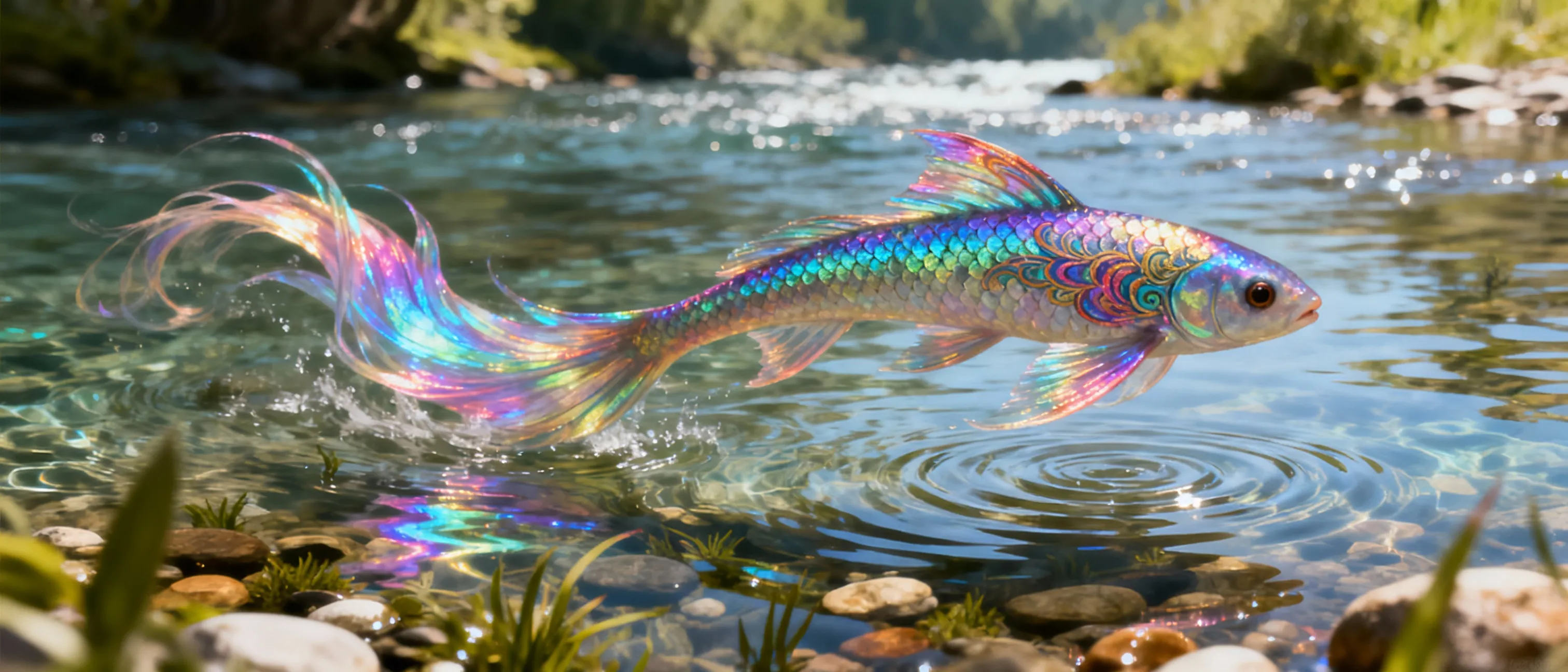
The whipfish is an agile aquatic creature known for its unique whip-like tail, which it uses both for swimming and for hunting. Primarily found in freshwater lakes and rivers, these creatures thrive in tropical and temperate climates. Their long, slender bodies are perfectly adapted to navigating swiftly through water, making them skilled predators. The whipfish's body is adorned with iridescent scales, providing camouflage among the glimmers of underwater plant life. In schools, they exhibit mesmerizing swimming patterns that can dazzle predators and prey alike. These fish are known for their subtle intelligence, using complex maneuvers to outsmart foes.
Monster behavior
Whipfish are typically solitary hunters, but they can often be seen in small groups, especially when feeding. They utilize their Pack Tactics ability to overpower larger prey, coordinating their attacks in choreographed movements. The whipfish shows a penchant for ambush tactics, often lurking out of sight in underwater vegetation before striking. When threatened, they don't hesitate to use their speed to either escape or counter-attack. If cornered, they can become aggressive, using their whip tails defensively. Their soft, agile skin makes them hard to grab, and they often rely on their quick reflexes to evade predators.
Ecology
As predators, whipfish play a crucial role in their aquatic ecosystem. They primarily feed on smaller fish and various aquatic invertebrates, helping to maintain the balance of these populations. Their presence often indicates a healthy aquatic environment. Whipfish contribute to the food web, serving as prey for larger aquatic creatures like eagles and larger fish species. They are known to spawn in sheltered areas of rivers and lakes, with breeding periods timed with seasonal rains, thus ensuring a plentiful supply of food for their young.
History
The whipfish are a common sight in the freshwater bodies of tropical regions and have been a source of fascination for local folklore. Many maritime cultures regard them as omens of good fortune due to their vibrant appearance and elusive nature. They have been the subject of numerous studies focusing on adaptive behavior in changing climates, particularly how they respond to variations in water temperature and pollution levels. Their resilient nature allows them to thrive in various aquatic environments, adapting their hunting strategies as needed. Ongoing research aims to understand their role in ecosystems affected by climate change, ensuring their survival in the future.
Ready to Unleash Your Dungeon Master Potential?
Join thousands of DMs and turbocharge your campaign preparation with Fable Fiesta!
Register, and get access to monster abilities, combat behaviour and lore!
No credit card required. Start writing in minutes!
We use cookies on this website to provide you with the best possible user experience. By continuing
to use this site, you agree to the policies documented at our Privacy Policy.